We tell stories of our lives
as we remember they were
and believe they are:
clear and distinct memories,
what we learned in school,
works of our hands,
beauty we have seen and touched,
who we loved and lost;
all our senses ablaze for a time.
We do not know well our own stories
they, as wildflowers, growing
in fields abloom, bending in every breeze
sleeping at night among the stars –
winter comes and they are gone.
So we in our fields bloom,
bend, sleep, then go our way.
I watch as indistinct shadows move
behind a thin and trembling veil
telling me about my life –
things strange and unfinished,
without beginning or end.
I see flickering phantasms
playing on creation’s silvery screen
that seem to be about me
but, as in a dream, make no sense
as if I am in and out of my own life
becoming things I do not remember,
as if I were a tree or,
on its branches, a tiny bird.
If only we knew our whole story
told by one who knows,
can tell its whole arc
however long, its shape and texture,
and where it bends into the night.
I wonder if poetry can follow
the thin thread thrown from the heavens
down onto the green fields of life
and tell where it has come from
and where it goes?
Intimations of immortality
may follow that twisting line
to describe the contours of being
formed from cosmic nothing –
hidden, revealed, washed away again
as endless breakers on sunlit shores.
Portland, Oregon – November 16, 2019
Gratitude to William Wordsworth for his sublime, “Ode on Intimations of Immortality.” (https://www.bartleby.com/101/536.html) I highly recommend reading this masterpiece. In my own poem, I use “intimations of immortality” as a way of saying how poetry may be able to describe what other artistic forms may not. But, of course, all art forms, even to include the sciences, try to speak to the mysteries of life.
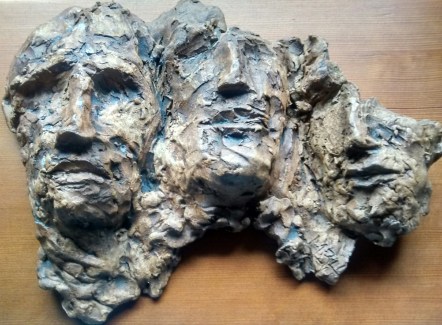
 In Cascadia